

Ruwanweliseya Stupa

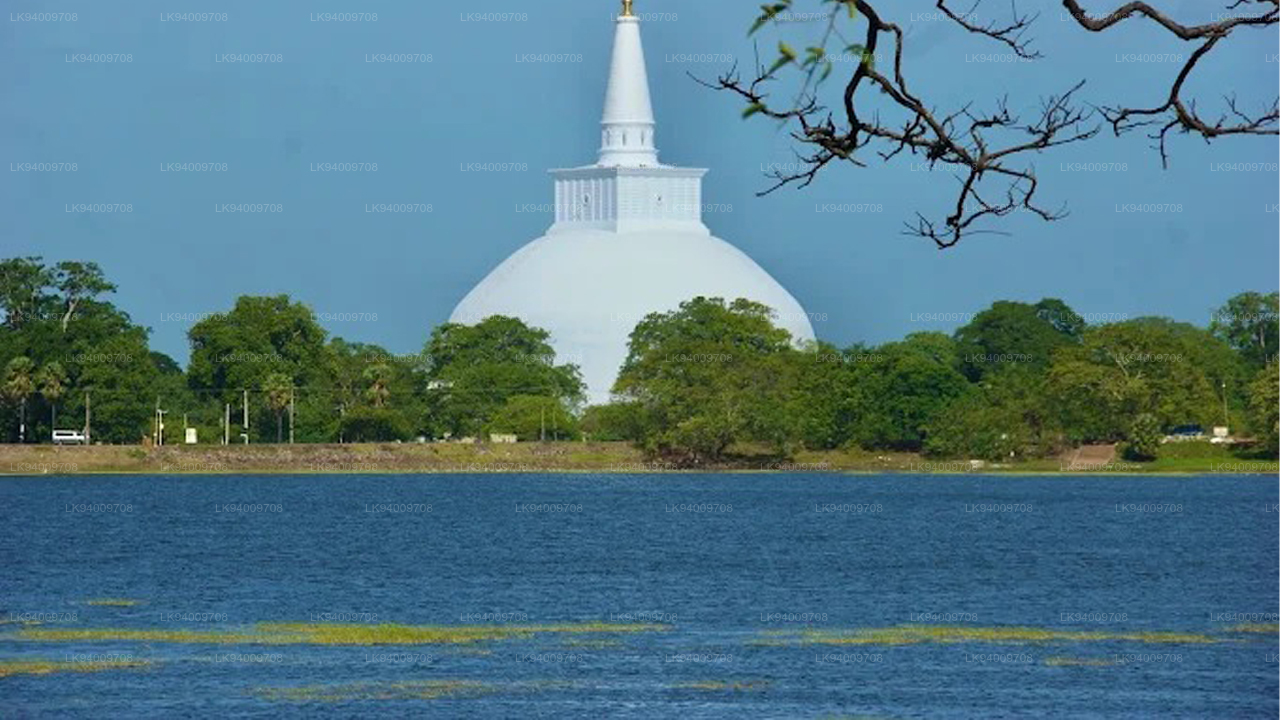

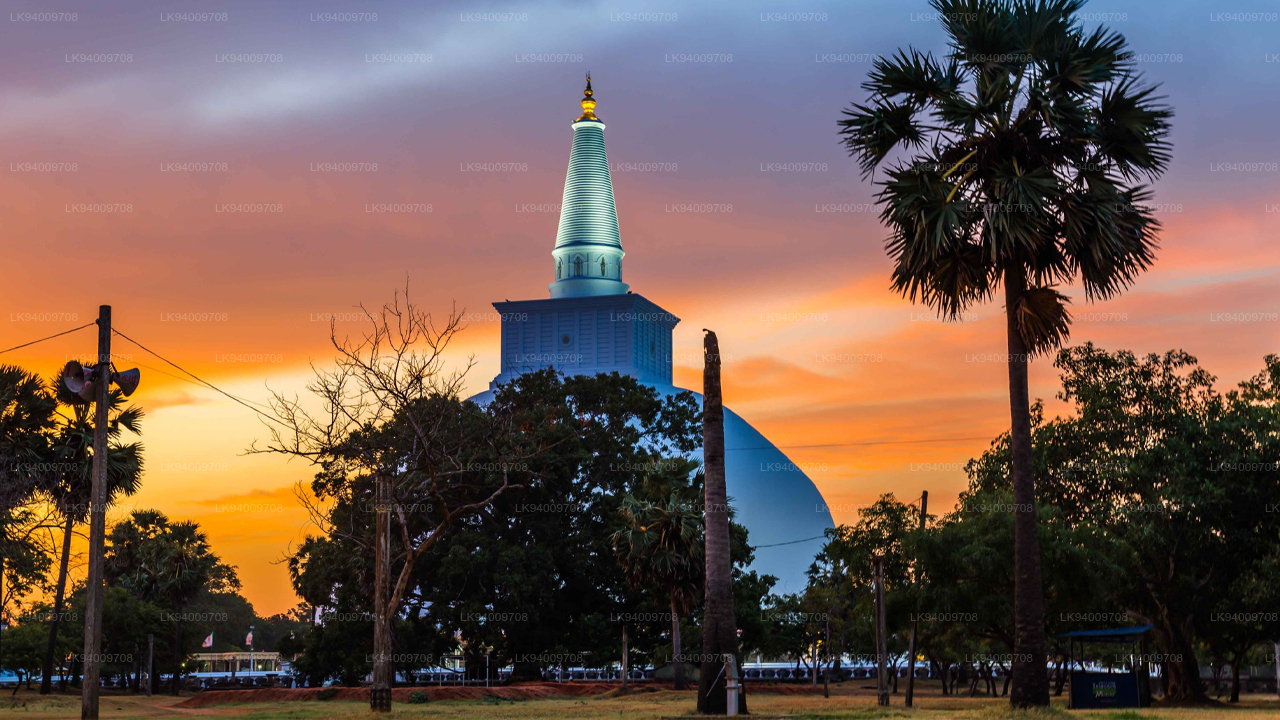
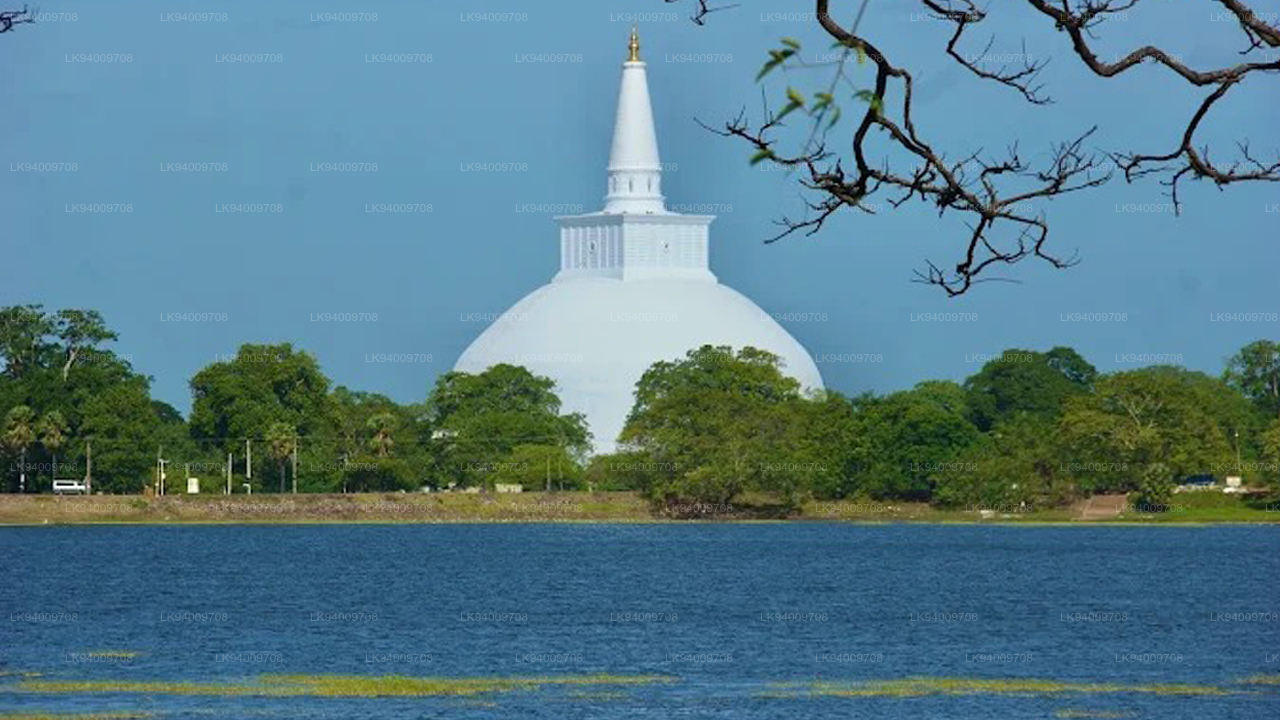
Ruwanweliseya Stupa (Ruwanveli Seya Stupa), the foremost of the supremely glorious ancient living monuments of Sinhalese Buddhist Heritage at the city of Anuradhapura (a UNESCO World Heritage Site-Culture) was built by King Dutugamunu (161-137 BC), the Hero of the Nation, who hailed from Ruhuna, which was destined to give birth to most of the glorious heroes of the island nation of Sri Lanka from the ancient era to the modern day. Ruwanweliseya Stupa (Ruwanveli Seya Stupa) also called Maha Stupa (Sinhala: the great dagoba) or Ratnapali Stupa or Swarnamali stupa has been the most adored, most venerated among the great ancient stupas (dagobas) of Sri Lanka. Anuradhapura is replete with the ancient cultural monuments located in between the River Malwatu Oya and two great ancient man-made irrigation reservoirs called Tissa Wewa and Abhaya Wewa (Basawakkulama Wewa). These two ancient irrigation reservoirs, together with ancient Nuwara Wewa reservoir on the eastern flank of the River Malwatu Oya, extend the lifeline to the agricultural district of Anuradhapura.
The three main ancient stupas clustered south of the ruined Southern wall of Anuradhapura, namely Ruwanweliseya Stupa, Mirisavatiya Dagaba and Jetavana Stupa perfectly align with the celestial layout of Rigel, Mintaka and Bellatrix, three of the seven stars of the Orion constellation, which was associated with Osiris, the sun-god of rebirth and afterlife, by the ancient Egyptians (3150 BC-conventional Egyptian chronology).
And Anuradapura of Sri Lanka (SL Low gravity anomaly: -104m geoid), though far south of Bodh Gaya of Northern India, is only three and a half degrees west of it. Bodh Gaya, the location where Gauthama Buddha attained Supreme enlightenment, is considered Patavi Nahbi (Sanskrit: naval of the Earth), according to the Buddhist cosmology. Bodh Gaya’s antipode, on the other side of the world, that can be connected by an axis running through the very centre of the Earth, is the Temple of the Sun (referred to as the naval of the universe) of the Mayans (3114 BC Mesoamerican Long Count calendar) at the UNESCO World Heritage Site of Cuzco (Quechua, the Inca language: the navel of the universe) nearby Machu Picchu, the lost city of the Mayans.
Added to the inexplicable cosmological and geographical mysteries associated with Ruwanweliseya Stupa (Ruwanveli Seya Stupa), is the fact that locations for the construction of Ruwanweliseya and Mirisavatiya were determined by a couple of extraordinary circumstances. Still more astonishi

-
 Sri Maha Bodhiya
Jaya Sri Maha Bodhi is a sacred bo tree in the Mahamewna Gardens, Anuradhapura, Sri Lanka. It is the southern branch from the historical Sri Maha Bodhi at Buddha Gaya in India under which Buddha attained Enlightenment. It was planted in 288 BC, and is the oldest living human-planted tree in the world with a known planting date.
-
 Ruwanweliseya
The Ruwanweli Maha Seya, also known as the Mahathupa (the Great Thupa) is a stupa (a hemispherical structure containing relics) in Anuradhapura, Sri Lanka. Two quarts or one Dona of the Buddha's relics are enshrined in the stupa, making it the largest collection of his relics anywhere. It was built by Sinhalese King Dutugemunu in c. 140 B.C., who became king of Sri Lanka after a war in which the Chola King Elāra (Ellalan) was defeated.
-
 Thuparamaya
Thuparamaya is the first Buddhist temple that was constructed, after the arrival of mahinda thero(mahindagamanaya) in Sri Lanka. Located in the sacred area of Mahamewna park, the Thuparamaya Stupa is the earliest Dagoba to be constructed in the island, dating back to the reign of King Devanampiya Tissa (247-207 BC). The temple has been formally recognised by the Government as an archaeological site in Sri Lanka.
-
 Lovamahapaya
Lovamahapaya is a building situated between Ruwanweliseya and Sri Mahabodiya in the ancient city of Anuradhapura, Sri Lanka. It is also known as the Brazen Palace or Lohaprasadaya because the roof was covered with bronze tiles. In ancient times, the building included the refectory and the uposathagara (Uposatha house).
-
 Abhayagiri Stupa
Abhayagiri Vihāra was a major monastery site of Mahayana, Theravada and Vajrayana Buddhism that was situated in Anuradhapura, Sri Lanka. It is one of the most extensive ruins in the world and one of the most sacred Buddhist pilgrimage cities in the nation.
-
 Jetavanaramaya
The Jetavanarama stupa or Jetavanaramaya is a stupa, or Buddhist reliquary monument, located in the ruins of Jetavana monastery in the UNESCO world heritage city of Anuradhapura, Sri Lanka. At 122 metres (400 ft), it was the world's tallest stupa, and the third tallest structure in the world when it was built by King Mahasena of Anuradhapura (273–301).
-
 Mirisawetiya Stupa
The Mirisaweti Stupa is a memorial building, a stupa, situated in the ancient city of Anuradhapura, Sri Lanka. King Dutugamunu (161 BC to 137 BC) built the Mirisaveti Stupa after defeating King Elara. After placing the Buddha relics in the sceptre, he had gone to Tissa Wewa for a bath leaving the sceptre.
-
 Lankarama
Lankarama is a stupa built by King Valagamba, in an ancient place at Galhebakada in the ancient kingdom of Anuradhapura, Sri Lanka. Nothing is known about the ancient form of the stupa, and later this was renovated. The ruins show that there are rows of stone pillars and it is no doubt that there has been a house built encircling the stupa (vatadage) to cover it.
-
 Isurumuniya
Isurumuniya is a Buddhist temple situated near to the Tissa Wewa (Tisa tank) in Anuradhapura, Sri Lanka. There are four carvings of special interest in this Vihara. They are the Isurumuniya Lovers, Elephant Pond and The Royal Family. The ancient Meghagiri Vihara or Meygiri Vihara is presently identified as the Isurumuni Vihara.


