Kurunegala City
Kurunegala: Bustling city in Sri Lanka's North Western Province, featuring historic sites, vibrant markets, and a blend of modern and traditional culture.
Sasseruwa Buddha Statue
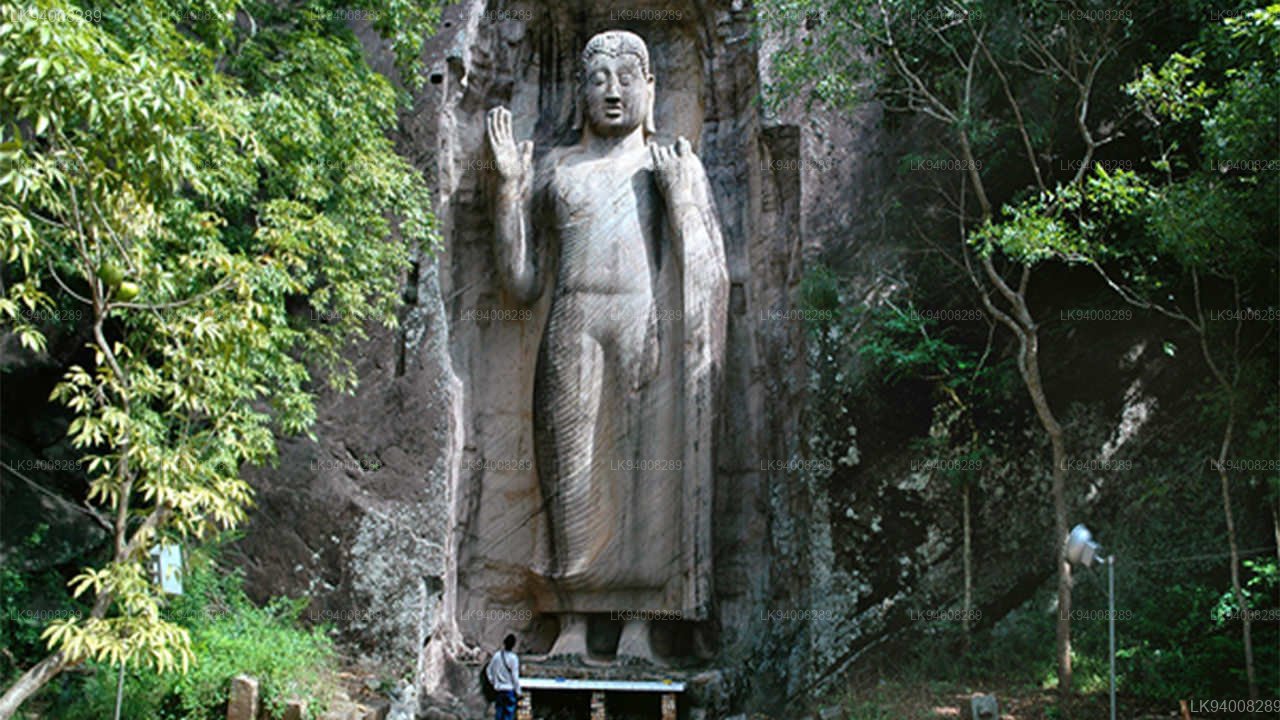
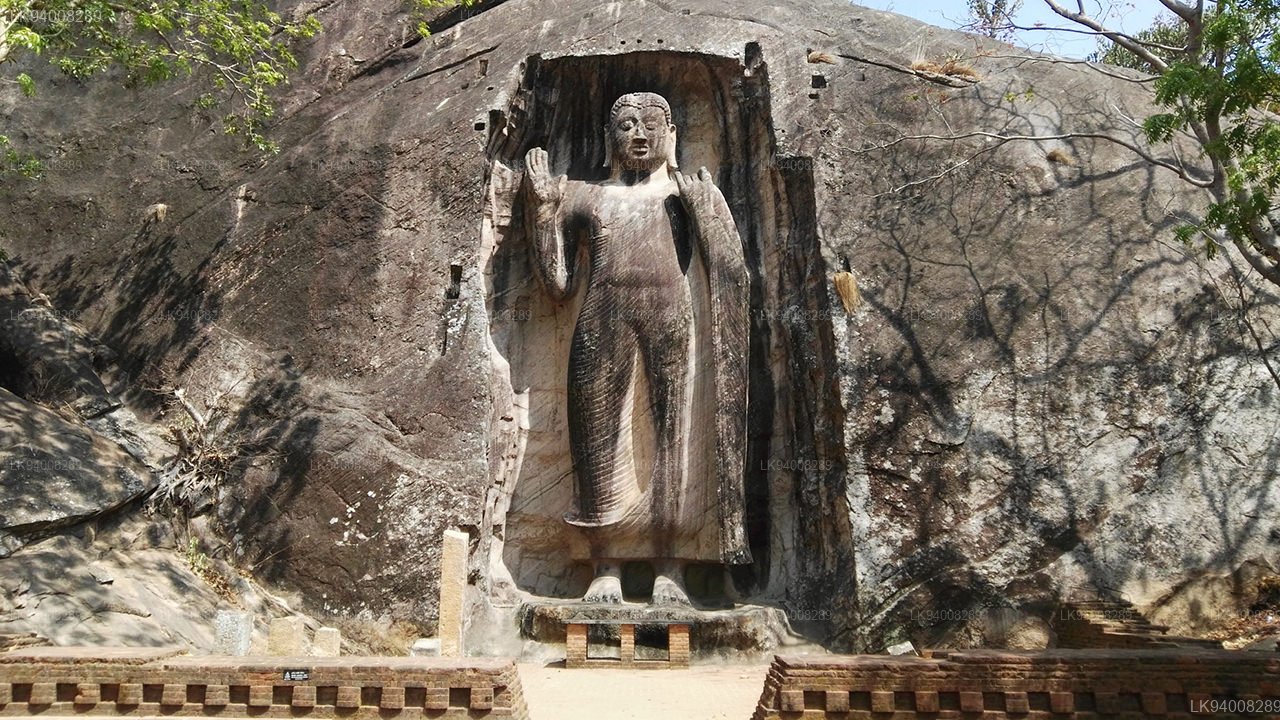
This Rasvehera Rajamaha Viharaya is one of the most famous and inspiring temples in the Kurunegala District. This royal temple was built two thousand two hundred and sixty-eight years ago by King Pathissa II who ruled Lakdiva. King Devanapathissa who came to Ceylon in the year 287 AD in the year of Sri Buddha established one of the forty fruit-bearing Bodhisattvas from the Southern Branch Bodhirajaya of Anuradhapura at this place. With its establishment, the Satavarna solid Buddha radiance spread. At that time, the place was called Rasvehera Temple. There are several easy ways to reach this inspiring Raswehera Shrine from Kurunegala.The Kurunegala-Anuradhapura road, the Kurunegala-Galnewa road and the Kekirawa-Thabuttegama road are some of the highways.The shrine is also easily accessible by public transport trains and buses. There are 99 caves where Arahants lived in this sacred place. In addition, there are archeological caves as well as inscriptions in this sacred place. Some of the special features of this Rasvehera sacred area are the Aukana Buddha statues. Compared to the Aukana statue, the Rasvehera statue differs in that it does not have a tower and that the Buddha statue protrudes from the rock. Also, as the population is limited and the temple is located in the middle of the forest, it is still very beautiful in a very beautiful and quiet place without any environmental destruction.
About Kurunegala District
Kurunegala is the capital of the Wayamba Province in Sri Lanka and the Kurunegala District.Kurunegala was a royal capital for only 50 years, from the end of the 13th century to the start of the next, though even before this it was strategically placed in the middle of other majestic strongholds such as Yapahuwa to the north, Dambadeniya to the south and Panduwasnuwara in the east. Ethagala a rock reaching 316 meters, towers over the town, which is located at an altitude of 116 meters above sea level. The shape of Ethagala resembles an Elephant. A transport hub, it has a railway station, and several main roads linking important parts of the country.Kurunegala is situated about 94 km from Colombo, and 42 km from Kandy.
Most of Kurunegala's residents belong to the Sinhalese majority. Other ethnic minorities include the Sri Lankan Moors, Sri Lankan Tamils, Burghers and Malays. Residents from ethnic minorities live in all parts of the city, however, sizeable communities of Moors and Tamils also live in the areas of Teliyagonna and Wilgoda.
About North Western Province
North Western Province is a province of Sri Lanka. The districts of Kurunegala and Puttalam formulate North Western or Wayamba. Its capital is Kurunegala, which has a population of 28,571. The province is known mainly for its numerous coconut plantations. Other main towns in this province are Chilaw (24,712) and Puttalam (45,661), which are both small fishing towns. The majority of the population of Wayamba province is of Sinhalese ethnicity. There is also a substantial Sri Lankan Moor minority around Puttalam and Sri Lankan Tamils in Udappu and Munneswaram. Fishing, prawn farming and rubber tree plantations are other prominent industries of the region. The province has an area of 7,888 km² and a population of 2,184,136 (2005 calculation).
Wayamba is the third largest paddy producing area in Sri Lanka .Wayamba has a highly developed agricultural economy, growing a variety of fruits and vegetables, flowering plants, spices, oil-seeds in addition to the traditional plantation crops such as Coconut, Rubber and Rice. Rich soils and varied climate give Wayamba a potential for growing of virtually any crop.
In Wayamba or North western province, home for ancient Buddhist rock temples, magnificent citadels Panduwasnuwara, Dambadeniya, Yapahuwa and Kurunegala. Impressive remains of those citadels, palaces, Buddhist temples and monasteries provide exciting sight seeing to the visitors.