

Manakanda
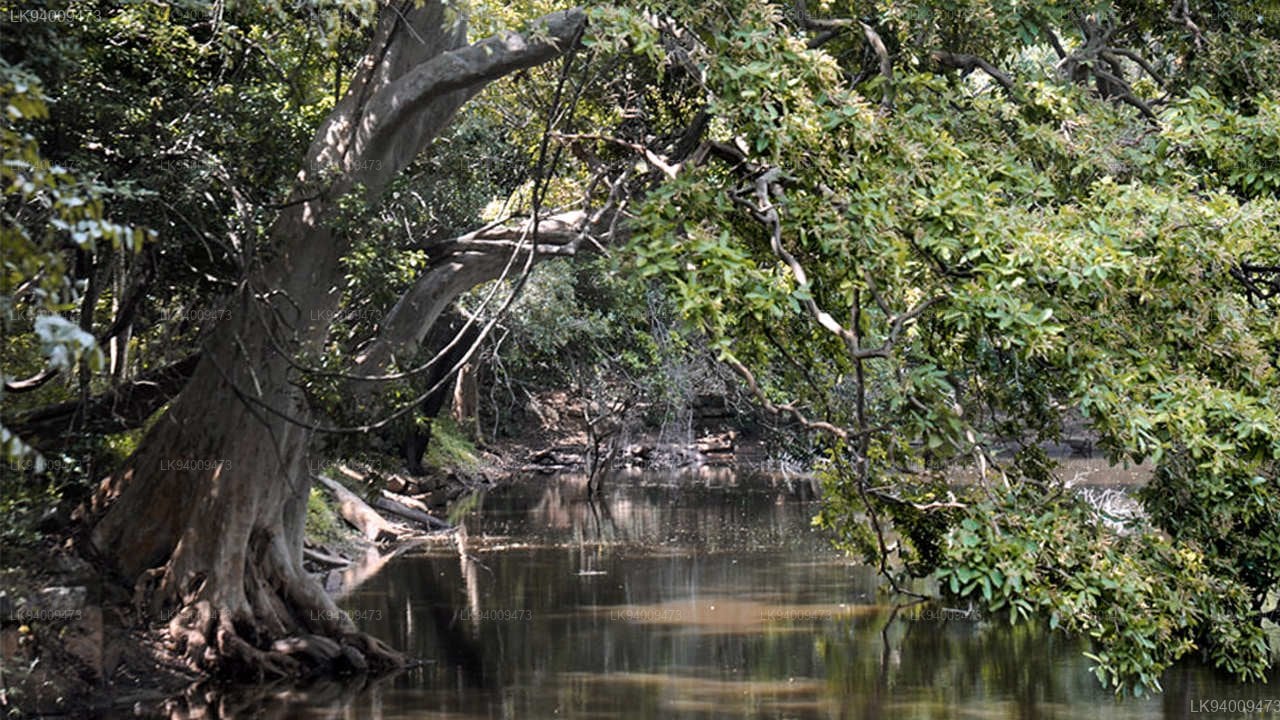
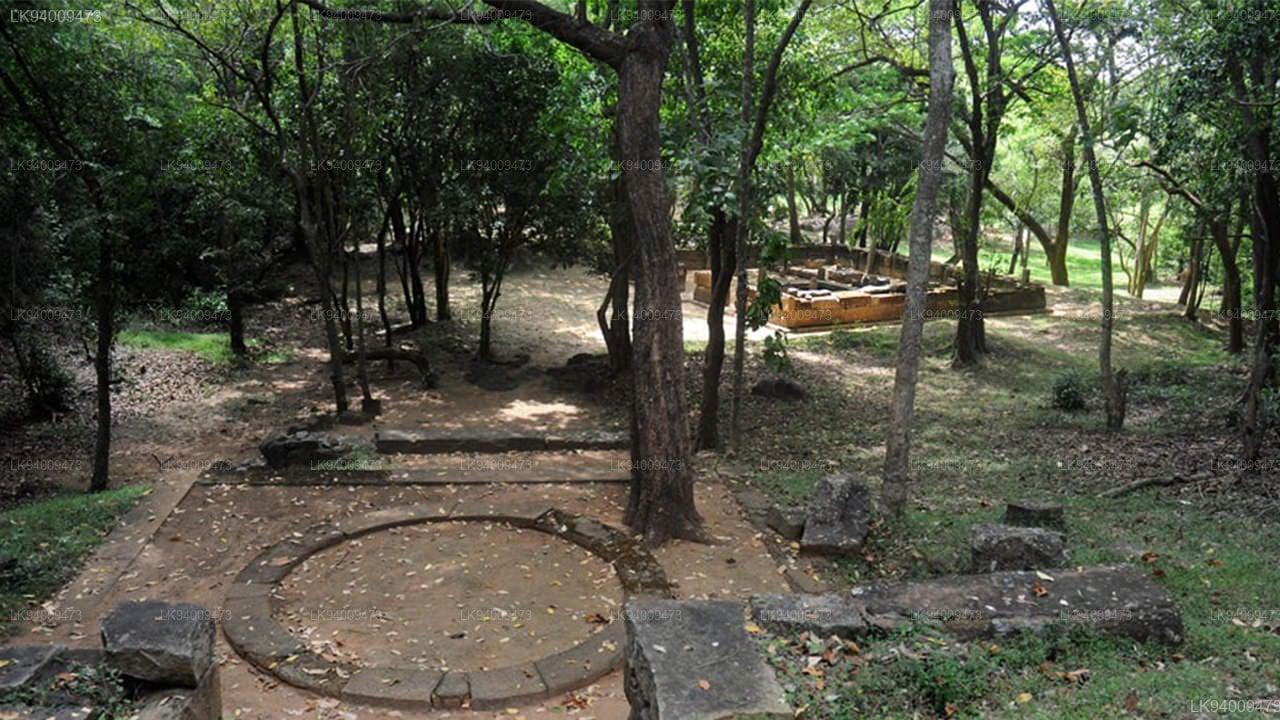
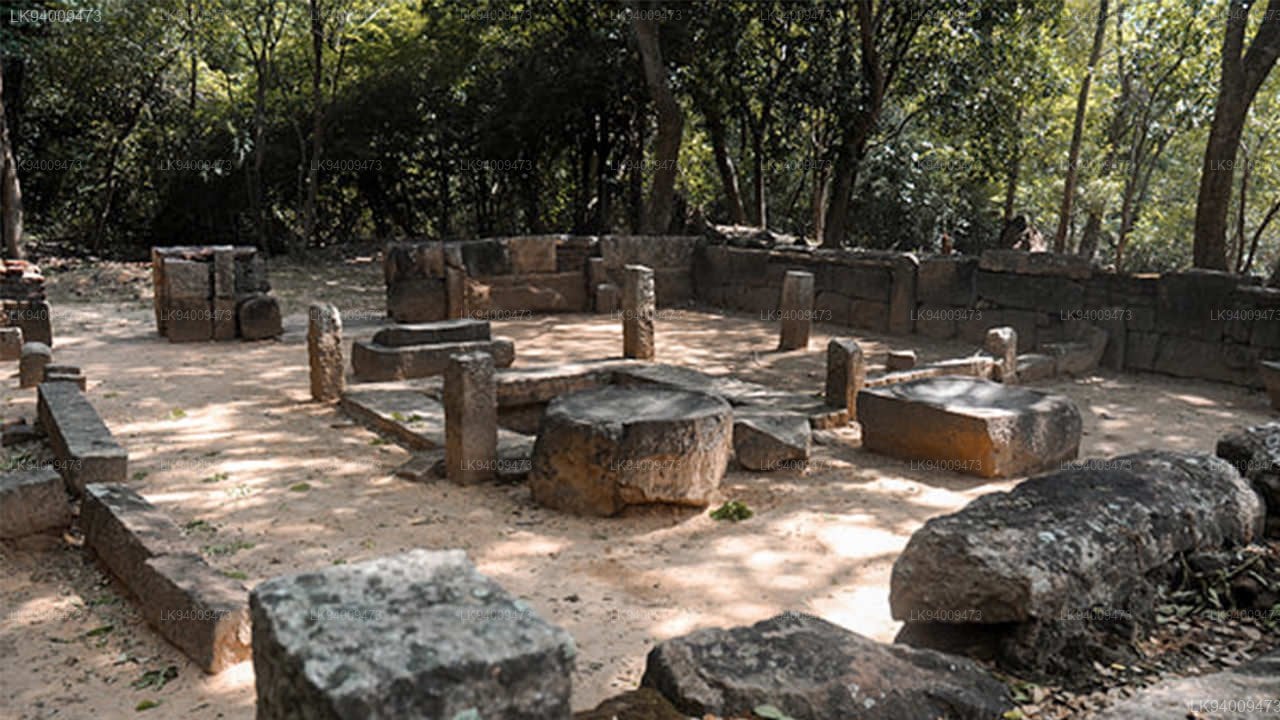
Manakanda is a remote hill off Maradankadawala which has been used as an forest monastery since 2nd ~ 3rd centuries BC having similar features of more popular Ritigala which lies just just 10 kilometers to the west. Considering the the similarities of these two ancient monasteries, its a shame that Manakanda is hidden away unknown and forgotten by pilgrims.
After introduction of Buddhism with the arrival of the Mihindu Maha Thero, various forms of temples and monasteries were established all over the country. Architecturally, 4 types of residencies for Buddhist priests has been identified by historians which has been established from the early Anuradhapura era.
These are:- Rock Caves (Giri Len – ???? ????)
- Pabbatha Vihara (????? ?????)
- Padhanaghara (??????)
- Maha Vihara (??? ?????)
Padhanaghara had been built for meditating bikkus living in forest monasteries on the edges of human settlements. This specific types of buildings appears to be built starting in 6th ~ 7th centuries and not after the 10th century. Since most of the Padhanaghara’s had been built on the jungles west to Anuradhapura City, these are also called Batahirarama (?????????) or Western Monasteries.
Padhanaghara two simple buildings on raised platforms connected by a bridge made of granite slabs. Generally a moat runs around these two buildings which could have been used for cooling the buildings and/or for protection from wild animals since these were built in forests. Another interesting feature of such buildings are the lack of any elaborate granite carvings on the buildings, balustrades or moonstones which are a prominent feature of temples built inside the cities. Elaborated designs on such Aramic Complexes are found on urinal slabs as to indicate the total rejection of what is unnecessary for a simple life.
There are about 30 Padhanaghara buildings discovered so far. Some of the better preserved Padhanagha are found in;
- Anuradhapura Pashchimarama (??????????? ??????????)
- Sudharshana Padhanaghara in Abhayagiriya Maha Viharaya (???????? ????? ????????? ???? ????????? ???????)
- Anuradhapura Veherabendigala (??????????? ???????????)
- Arankele (????????)
- Ritigala (??????)
- Mihinthale Kaludiya Pokuna (????????? ?????? ?????)
- Thanthirimale (??????????)
- Sithulpawwa (??????????)
- Nuwaragala Kanda (?????? ????)
- Ramakele in Sigiriya (??????? ???????)
- Maradankadawala Manakanda (????????? ????????)
In addition to the Padhanagha, these monasteries had consisted of image houses, kitchen buildings, warm water baths (Ginihal Geya) and other facilities. Two other features generally found are large ponds to collect water and meditating paths in such


