Folklore Ahangama

Folklore Ahangama Folklore Ahangama Folklore Ahangama

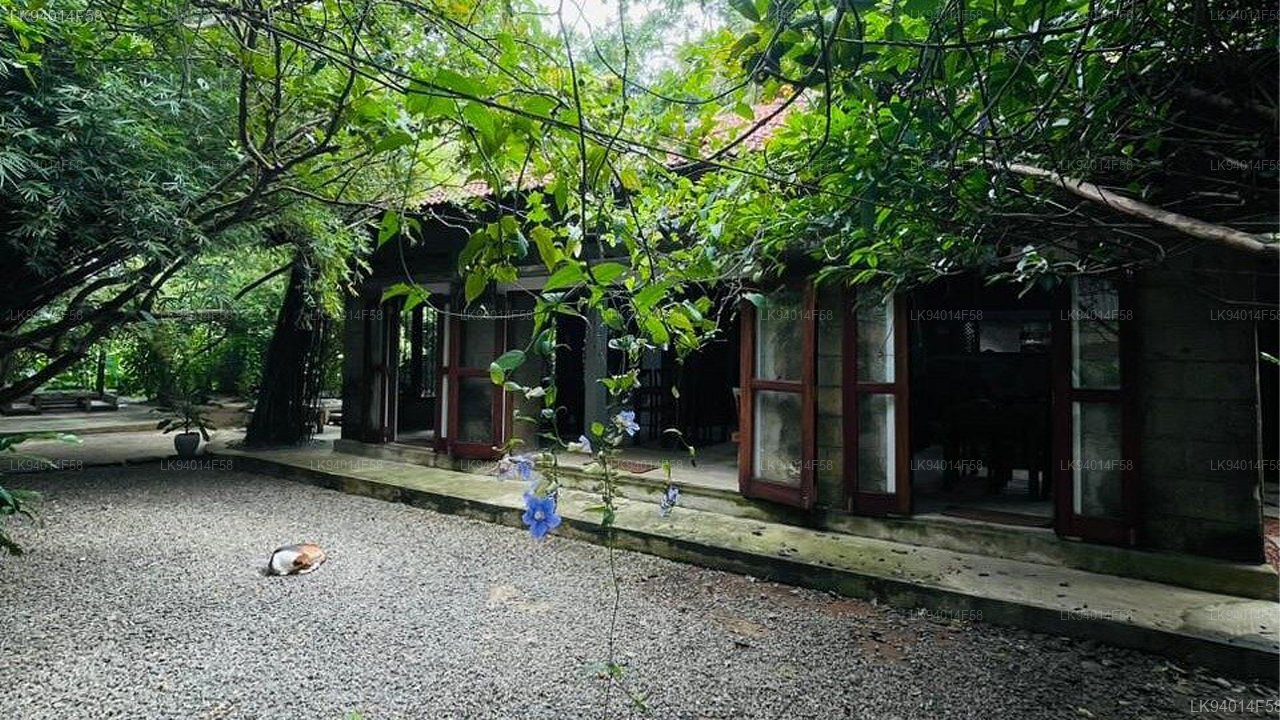
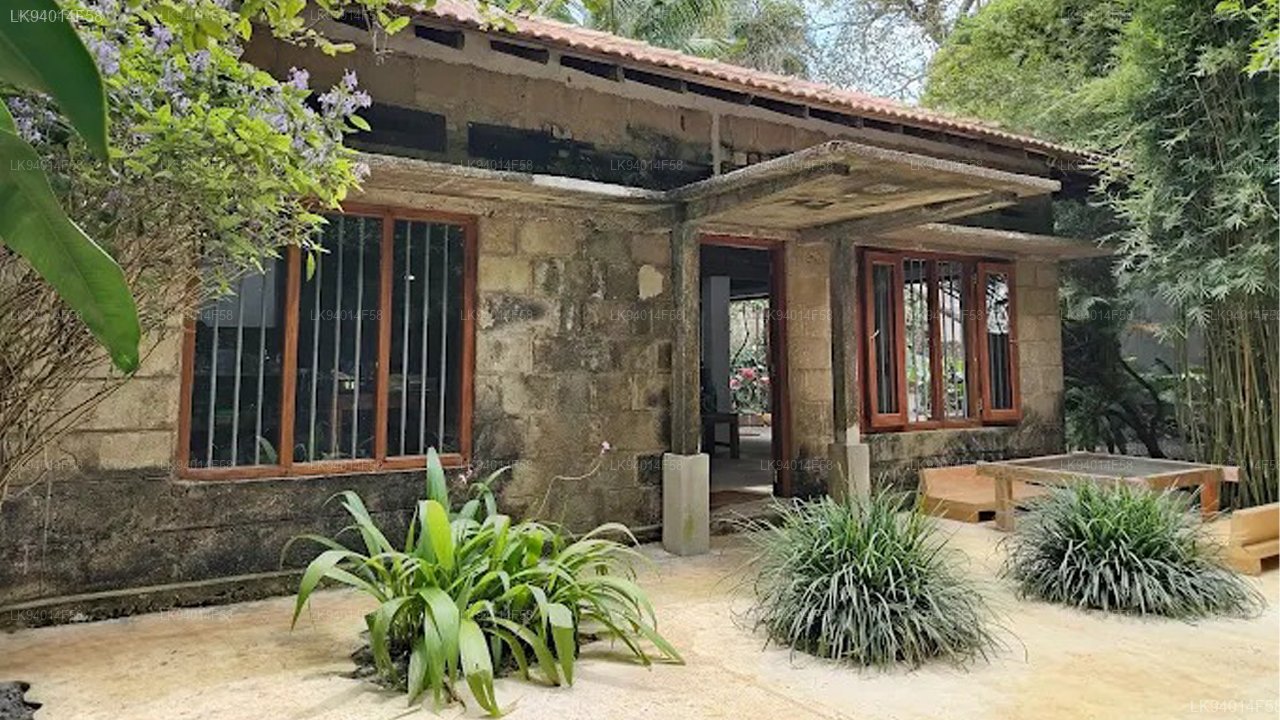
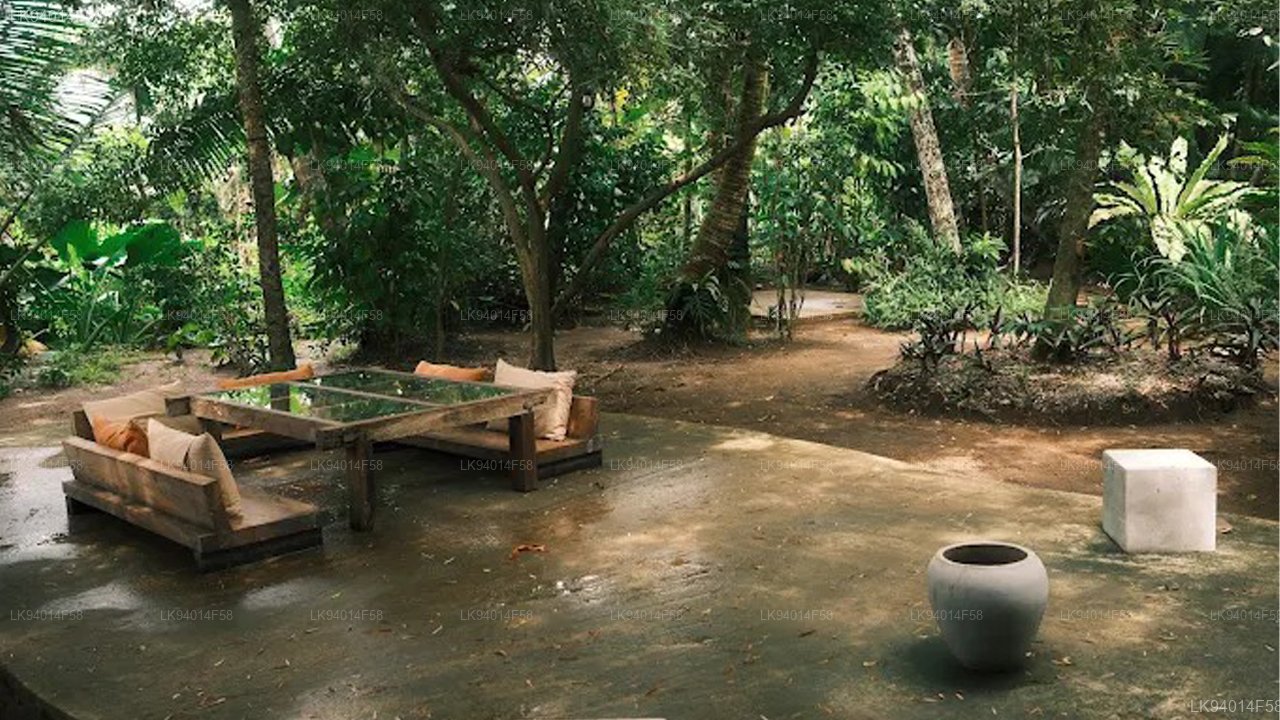
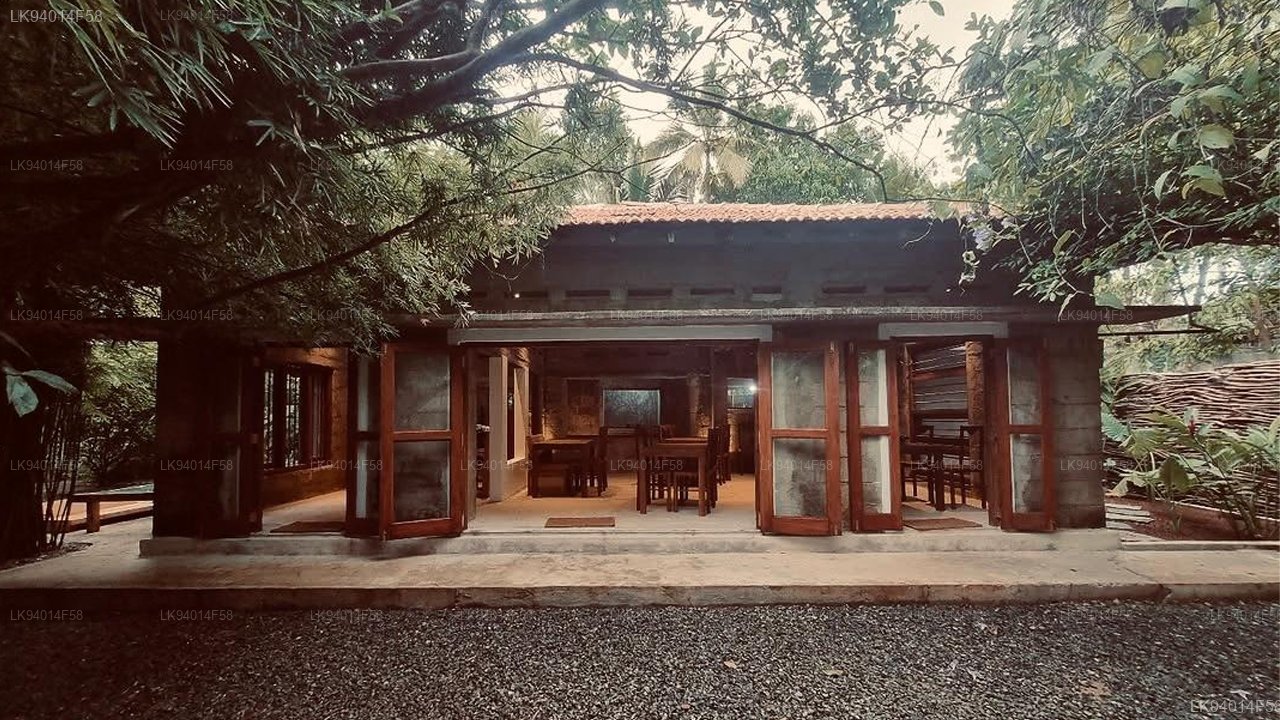
Folklore Ahangama is a cultural experience located in the coastal town of Ahangama, Sri Lanka, known for its rich traditions and vibrant heritage. This cultural hub celebrates the island's folk music, dance, and storytelling, offering visitors a glimpse into the unique cultural practices of the region.

The town of Ahangama is famous for its connection to traditional Sri Lankan folklore, which is deeply intertwined with the local way of life. Visitors can experience folk performances, which include local dance forms like *Kandyan dance*, as well as music and theatrical storytelling that reflect Sri Lanka's deep-rooted cultural history and religious beliefs.

In addition to cultural performances, Folklore Ahangama also showcases art exhibitions, traditional handicrafts, and workshops that offer hands-on experiences in the making of local crafts. This site serves as a center for preserving and promoting Sri Lanka's rich folk traditions, making it a popular destination for those interested in the island's cultural diversity and history.

The best time to visit Folklore Ahangama is during the dry season, from December to April, when the weather is ideal for outdoor performances and cultural activities. Easily accessible from nearby towns like Weligama and Galle, the experience offers a meaningful opportunity to connect with Sri Lanka's artistic and cultural heritage.
Folklore Ahangama Folklore Ahangama Folklore Ahangama

About Galle District

Galle is a city situated on the southwestern tip of Sri Lanka, 119 km from Colombo. Galle is the best example of a fortified city built by Europeans in south and Southeast Asia, showing the interaction between European architectural styles and south Asian traditions. The Galle fort is a world heritage site and the largest remaining fortress in Asia built by European occupiers.

Galle is the best example of a fortified city built by Europeans in south and Southeast Asia, showing the interaction between European architectural styles and south Asian traditions. The Galle fort is a world heritage site and the largest remaining fortress in Asia built by European occupiers.

Galle is a sizeable town, by Sri Lankan standards, and has a population of 91,000, the majority of whom are of Sinhalese ethnicity. There is also a large Sri Lankan Moor minority, particularly in the fort area, which descend from Arab merchants that settled in the ancient port of Galle.

About Southern Province

The Southern Province of Sri Lanka is a small geographic area consisting of the districts of Galle, Matara and Hambantota. Subsistence farming and fishing is the main source of income for the vast majority of the people of this region.

Important landmarks of the Southern Province include the wildlife sanctuaries of the Yala and Udawalawe National Parks, the holy city of Kataragama, and the ancient cities of Tissamaharama, Kirinda and Galle. (Although Galle is an ancient city, almost nothing survives from before the Portuguese invasion.) During the Portuguese period there were two famous Sinhalese poets called Andare who was from Dickwella and Gajaman Nona who was from Denipitiya in Matara District, composing poems on common man.